BRANCHING (KNOT) CATEGORIES
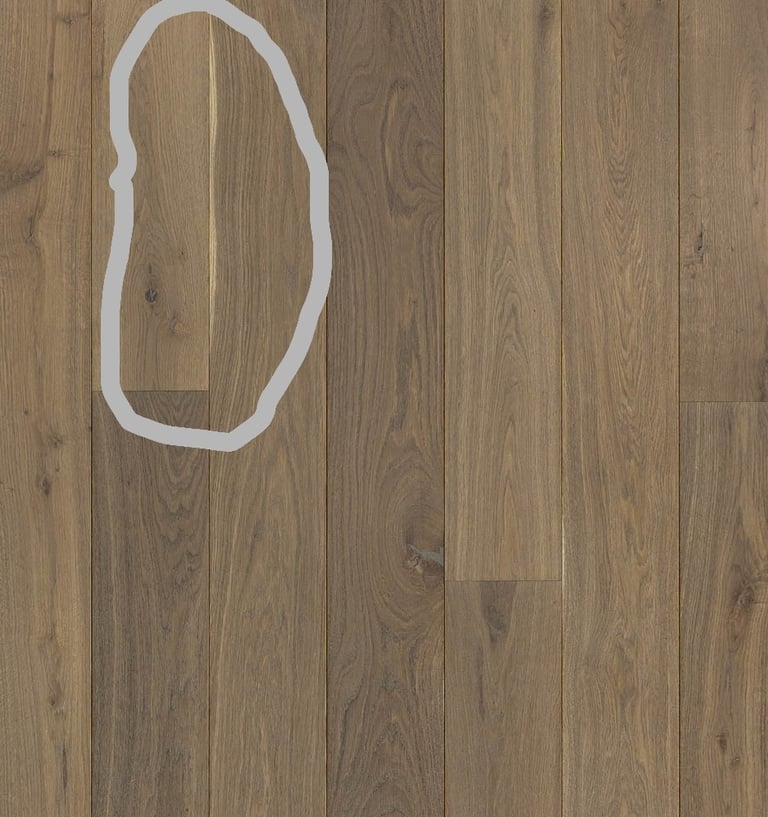
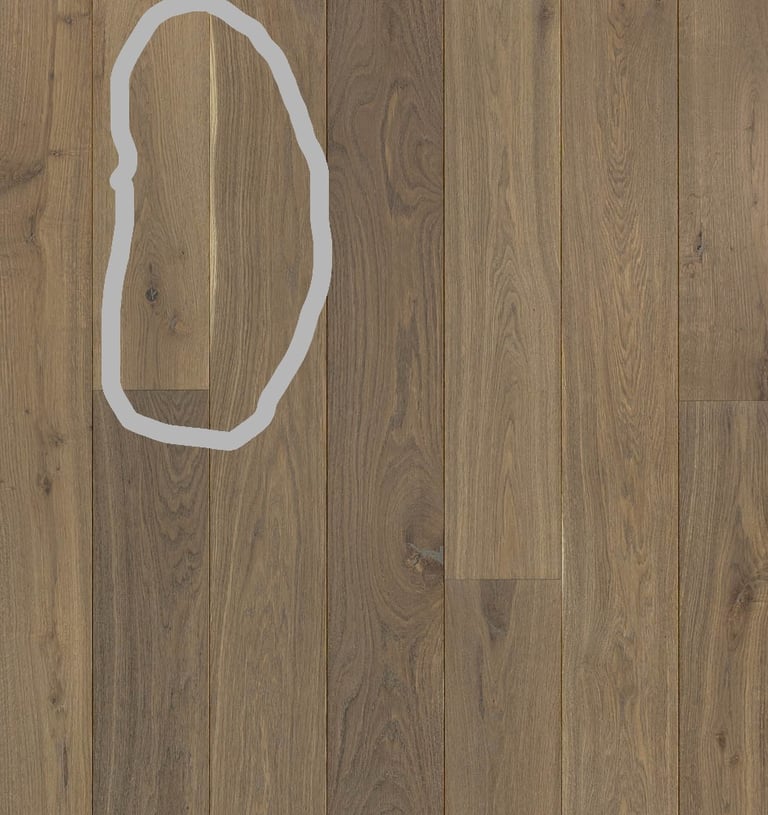
The branching category defines the number and size of knots and various other quality factors within a specified unit area. It determines the overall appearance and pattern of the floor. There are three branching categories.
Knot grade A/B
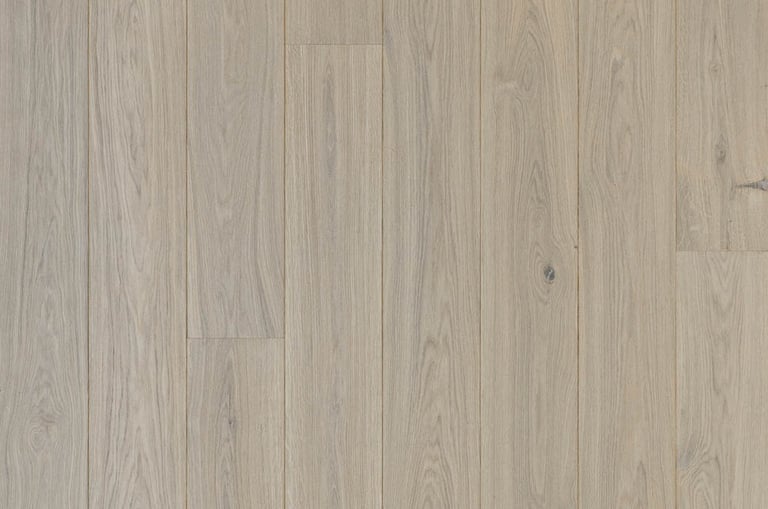
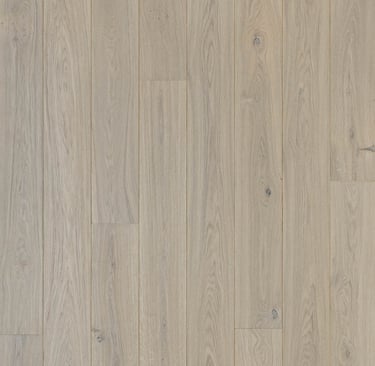
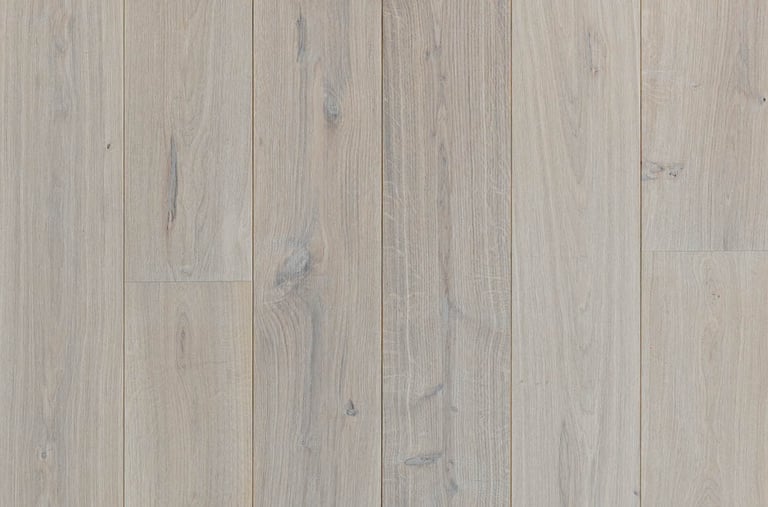
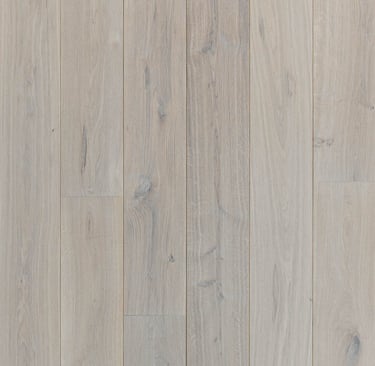
Up to 25% of various quality factors are permitted:
Closed cracks may be present
Open cracks up to 2 mm in length may be present
Filled knots up to 35 mm may be present
sound (healthy) knots up to 60 mm may be present
Knot grade B/C
Up to 25% of various quality factors are permitted:
Closed cracks may be present
Open cracks up to 4 mm in length may be present
Filled knots up to 50 mm may be present
Sound (healthy) knots may be present
Knot grade A/B/C
Mixed parquet boards combining two categories: A/B and B/C.
SURFACE TREATMENT CATEGORIES
Sanded surface, Brushed surface, Jeans finish.
Brushed
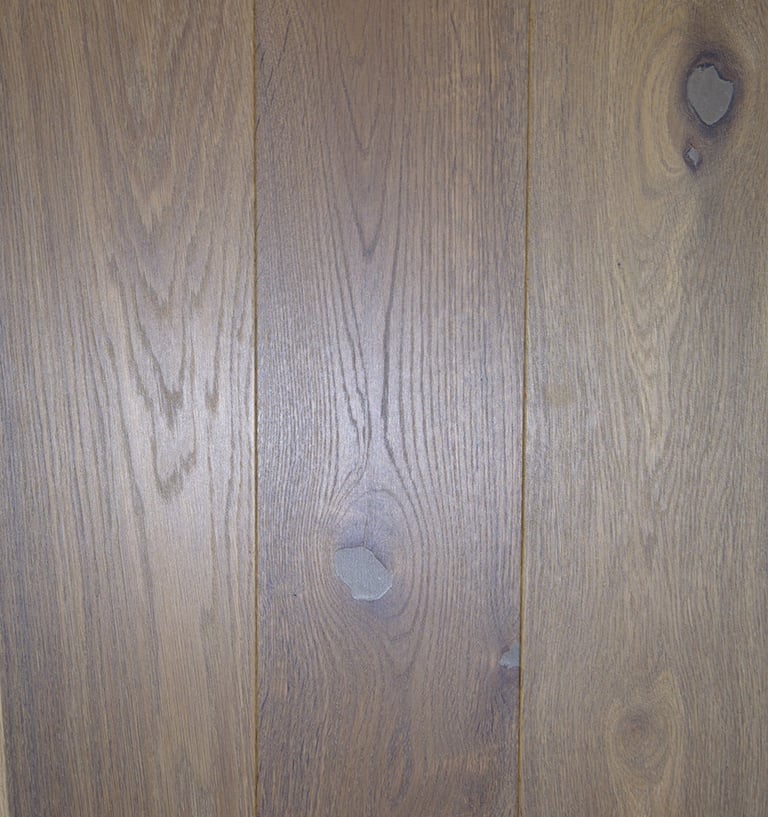
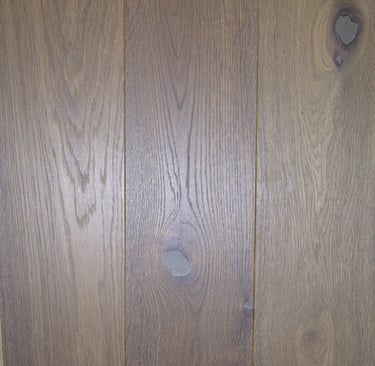
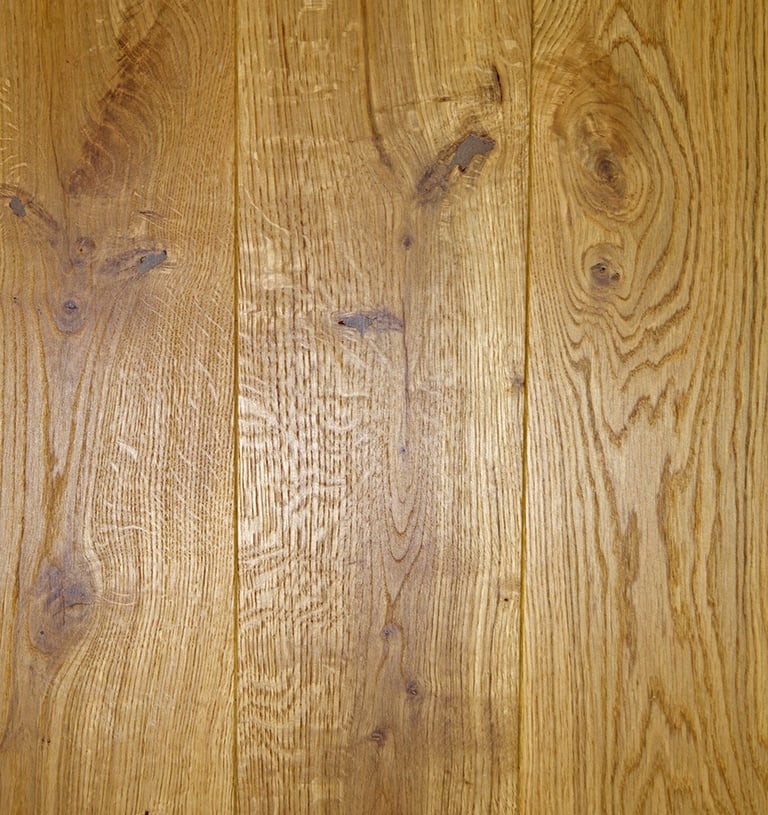
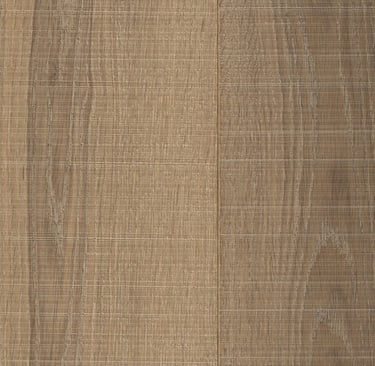
A smooth, sanded surface
Aged
A surface where the longitudinal wood texture is emphasized
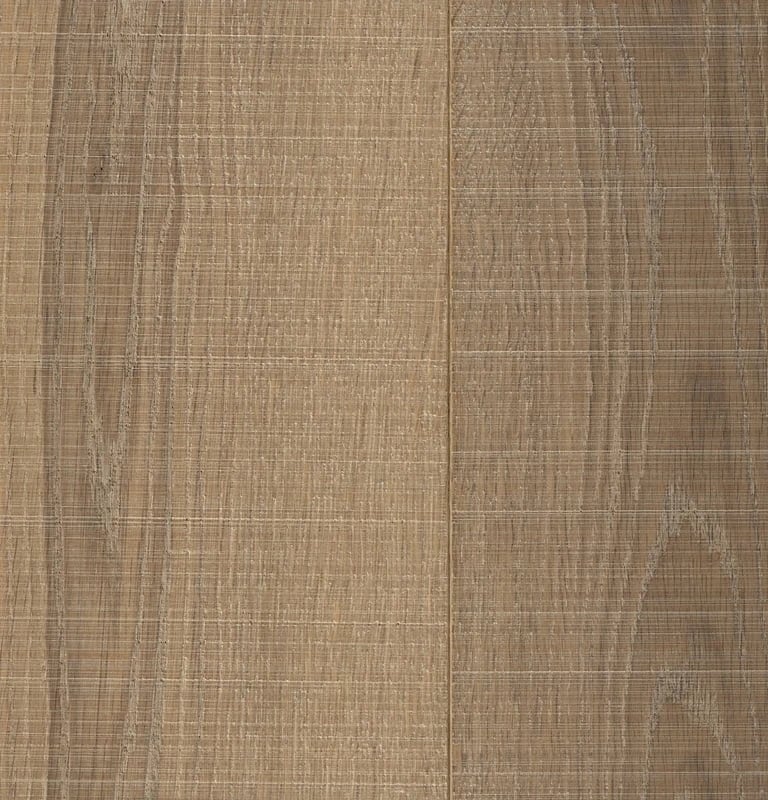
Jeans finish
A brushed surface additionally treated crosswise using a special technology, giving the parquet boards a distinctive appearance.
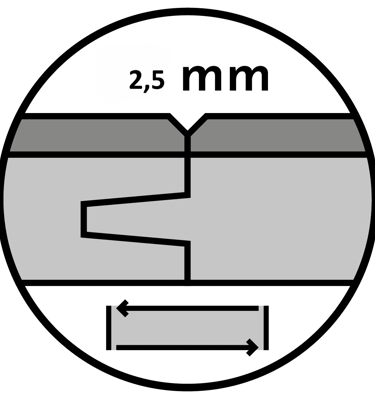
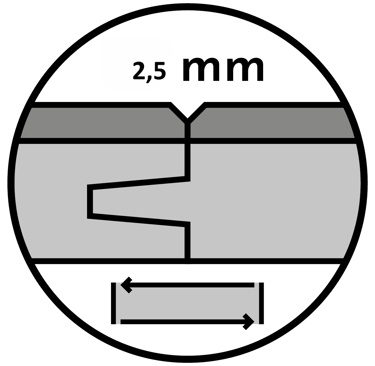
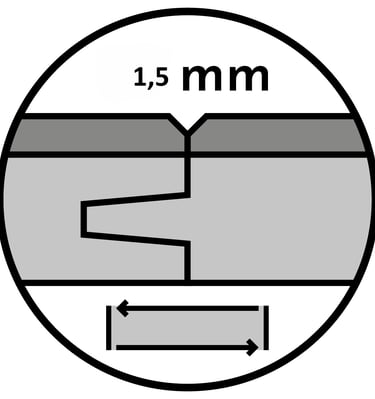
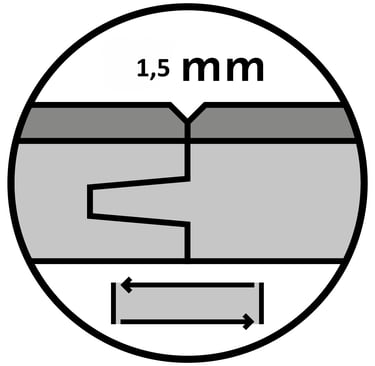
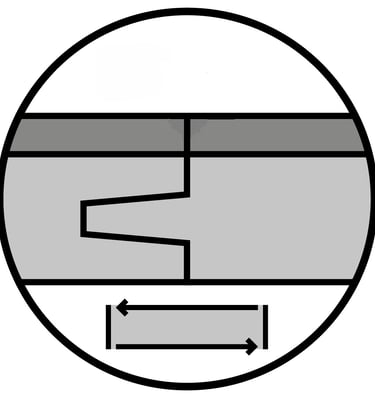
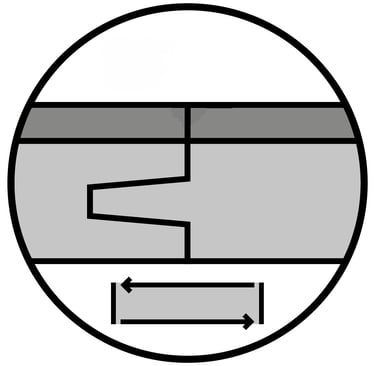
AMOUNT OF SAPWOOD PER UNIT AREA
Sapwood is the peripheral living wood in which only the water-conducting cells are dead. In many tree species, sapwood is lighter in colour than the central heartwood. In this area, the cells have died, and the enzymes and pigments released from them usually colour the heartwood a darker shade. According to the amount of sapwood in parquet boards, five categories are distinguished: No sapwood; 10% sapwood; 15% sapwood; 20% sapwood; 25% sapwood. This represents the ratio of sapwood to the length and width of the board (for example, in a parquet board 14 cm wide and 2 m long, a 10% sapwood category allows sapwood strips up to 1.4 cm wide and 20 cm long).
No sapwood
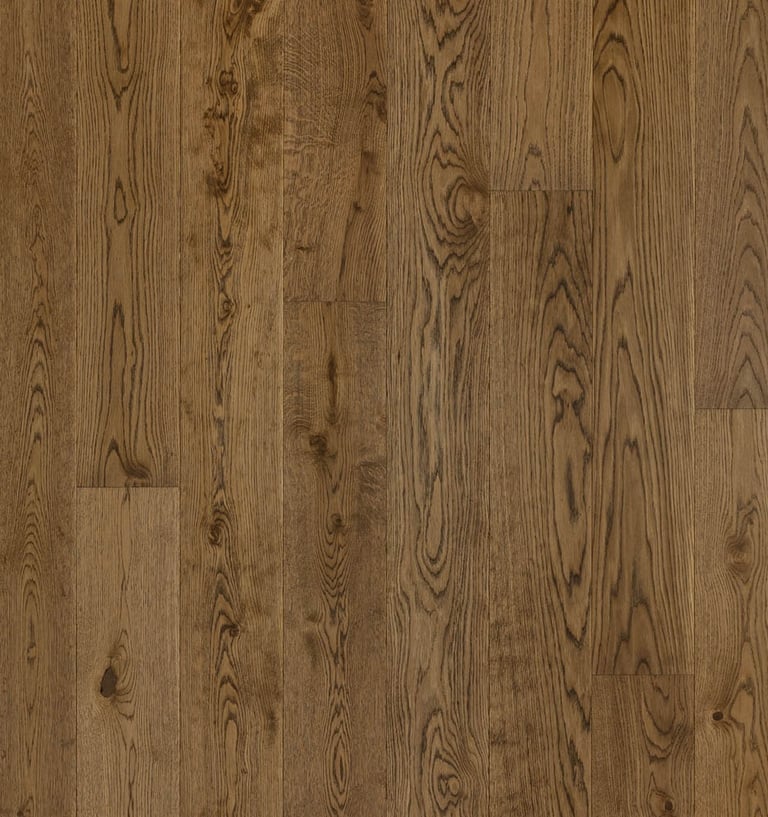
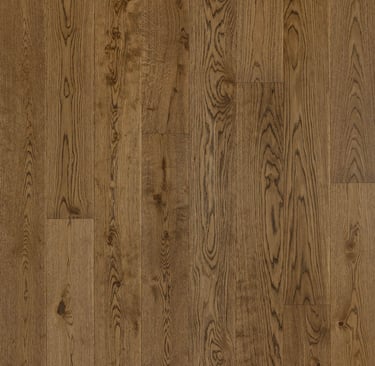
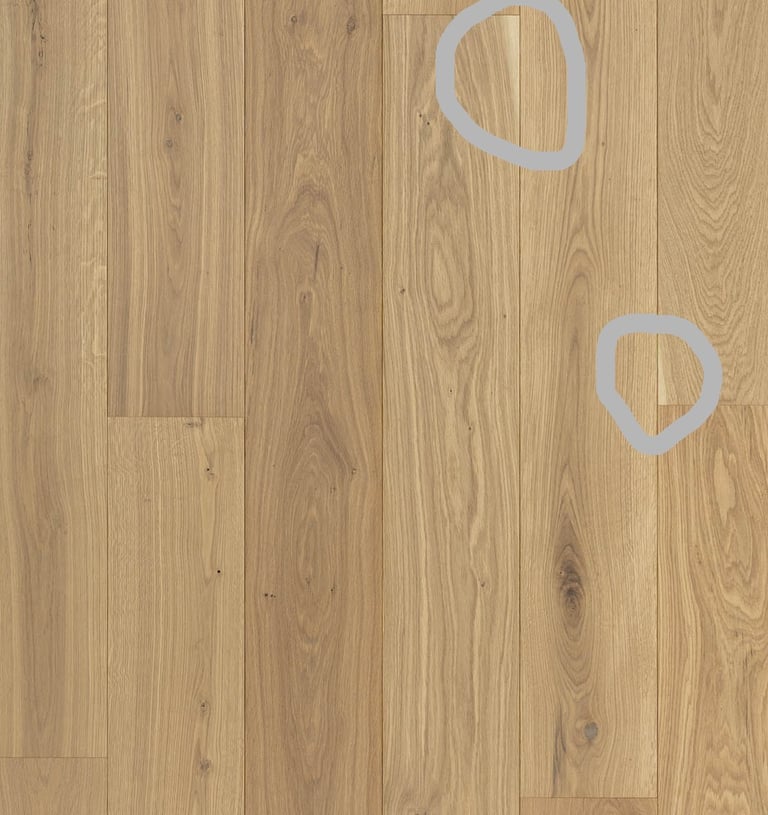
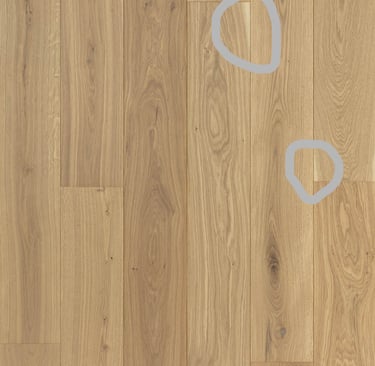
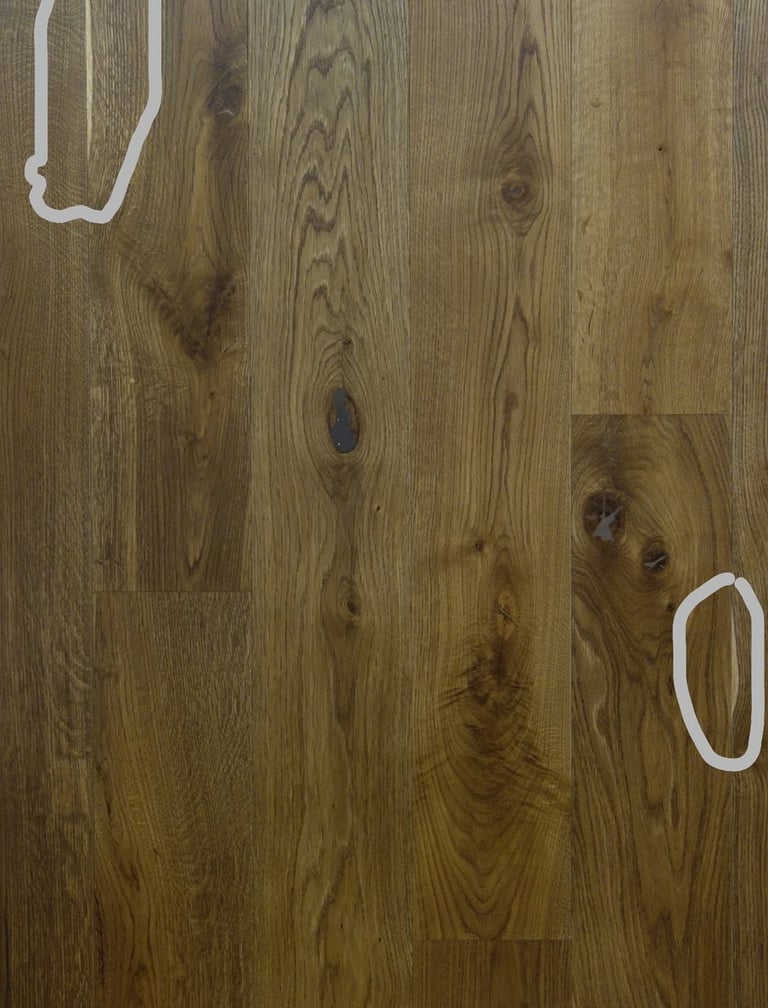
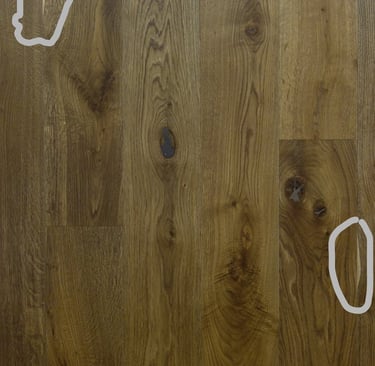
No sapwood (light-coloured strips) present.
10% sapwood
Sapwood may be present up to 10% of the board’s length and width ratio
15% sapwood
Sapwood may be present up to 15% of the board’s length and width ratio.